How to Use Notevibes: Complete Step-by-Step Guide (2025 Updated)
If you’re looking for a clean, easy-to-use text-to-speech tool that produces natural-sounding AI voices, Notevibes remains one of the most practical solutions available today. Whether you need AI narration for videos, e-learning materials, business presentations, or social media content, this tool offers high-quality voices with strong customization options—without requiring any audio editing experience.
This guide walks you through exactly how to use Notevibes, including key features, best settings, how to get the most realistic voices, and tips to avoid common beginner mistakes.
What Is Notevibes?
Notevibes is an online text-to-speech (TTS) converter designed for creators, educators, and business users who want to transform written scripts into human-like voiceovers. Its large voice library, simple UI, and export flexibility make it especially popular among YouTubers, marketers, and corporate training teams.
Key strengths include:
- 400+ natural AI voices
- 25+ supported languages
- Adjustable speed, pitch, pauses, and emphasis
- Background music mixing
- Commercial usage rights (for specific plans)
- Quick MP3 and WAV export
Unlike complex narration software, Notevibes keeps the learning curve friendly, making it perfect for beginners and non-technical users.
Getting Started: How to Use Notevibes Step by Step
1. Create Your Account
Visit the dashboard and create an account. You can start with a free version to test basic TTS functionality or upgrade to unlock more voices and commercial use.
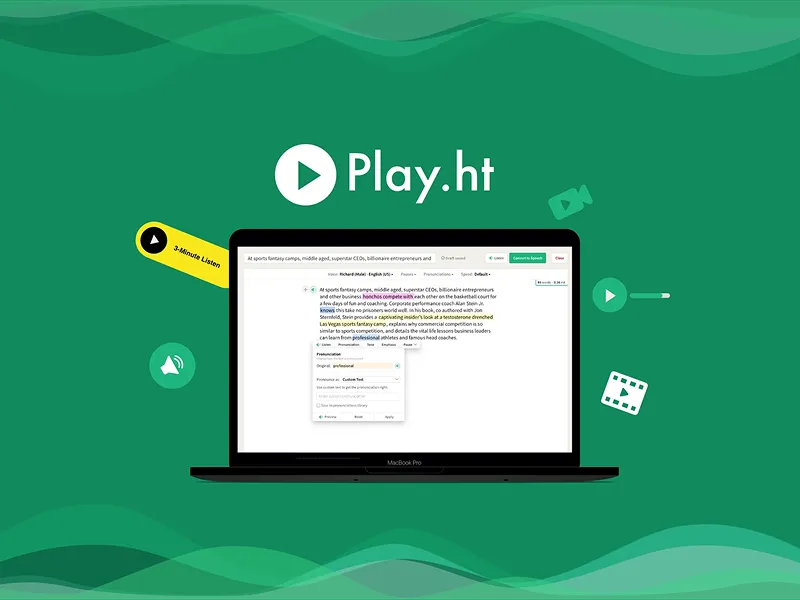
After logging in, you'll see a simple editor where you can paste or type your text.
2. Enter Your Script
Paste your content into the text box. Notevibes works best with well-formatted scripts. Keep sentences clear, and break paragraphs to help the AI voice breathe naturally.
Pro Tip:
For long scripts (500+ words), generate your audio in sections. This ensures smoother pacing and makes editing easier.
3. Choose Your AI Voice
Click Voice Options to browse the available voices. You’ll find:
- Narrator voices for tutorials or courses
- Conversational voices for social videos
- Corporate voices for presentations
- Energetic voices for ads
- Soft voices for meditation content
Test different voices by playing the preview to ensure they match your content style.
4. Adjust Speed, Pitch, and Emphasis
Notevibes allows fine-grained control of vocal characteristics:
- Speed: Slow down for storytelling, speed up for short announcements
- Pitch: Higher pitch for friendly/energetic tone, lower for professional tone
- Emphasis: Highlight key words or phrases
- Pauses: Insert natural breathing points between sentences
These small adjustments can turn a robotic voice into a smooth, realistic narration.
5. Add Pauses and SSML Tags
If you want deeper control, Notevibes supports SSML features such as:
- <break time="1s"/> for pauses
- <prosody rate="slow"> for pacing
- <emphasis> for highlighting words
- <say-as> for reading numbers properly
You don’t need to use tags, but they can dramatically improve realism for professional voiceovers.
6. Generate the Voice
Click Convert to generate your audio. Processing is usually fast—only a few seconds for short scripts and a minute for longer ones.
If the tone sounds slightly off, adjust pitch or speed and re-generate.
7. Download Your Audio File
You can download the output in:
- MP3 (best for social platforms)
- WAV (best for professional editing)
If you want to use the audio in YouTube videos, podcasts, apps, or training modules, WAV offers better quality.
Best Ways to Use Notevibes in 2025
1. YouTube Voiceovers
A large number of creators use Notevibes for:
- Tutorial videos
- Tech explainers
- Motivational content
- Animated videos
- Whiteboard presentations
Its steady, studio-quality output ensures clarity even after editing.
2. Business Training & e-Learning
Corporate users rely on Notevibes for:
- Compliance training
- Employee manuals
- Safety instructions
- Interactive learning modules
The tool’s professional voices sound polished enough for internal or public-facing content.
3. TikTok, Reels & Short-Form Video Creators
Short-form creators use TTS to speed up production:
- Quick narrations
- Review videos
- Top-10 lists
- Storytelling
Simply generate the audio and drop it into CapCut or Premiere for fast turnaround.
4. Podcasts and Audiobooks
Notevibes voices are clear, consistent, and reliable, making them suitable for:
- Mini-podcasts
- Audiobook chapters
- Educational audio materials
For an even more natural sound, keep speed slightly below 1.0x and add minor pitch variation.
Tips to Make Your Notevibes Audio More Natural
Here are expert tips used by professional creators:
✔ Add short pauses after every 2–3 sentences
Helps the voice breathe and keeps listeners engaged.
✔ Avoid huge blocks of text
Break paragraphs to encourage natural pacing.
✔ Choose voice types based on content
Corporate content should avoid overly friendly or hype-style voices.
✔ Re-generate difficult lines
If the AI voice stresses a word incorrectly, rewrite the sentence.
✔ Mix background music (optional)
A soft ambient track can elevate storytelling and tutorials.
Notevibes Pricing Overview (High-Level)
Notevibes offers different pricing tiers depending on usage:
- Free plan: Limited voices + limited characters
- Personal plan: More voices + full export quality
- Commercial plan: Included usage rights + premium voices
If you're using the tool for monetized content, always choose a plan that includes proper licensing.
Is Notevibes Worth It?
Notevibes is a great choice for creators, students, marketers, and businesses who want fast, clear, AI-generated voiceovers without complex audio editing tools. Its voice library is large, UI is intuitive, and the customization options offer enough depth for professional use.
If you value speed, consistency, and natural-sounding narration, it’s absolutely worth using in 2025.